
Moving freight between Dubai and Qatar happens often across industries. Construction firms, retailers, energy companies, event organizers, and manufacturers all rely on this corridor. Even though the distance is not extreme, borders add complexity. Transport from Dubai to Qatar requires accurate paperwork, correct vehicle selection, and an experienced logistics partner. The guide below explains what you should know before taking any action.
Know Your Travel Path Choices
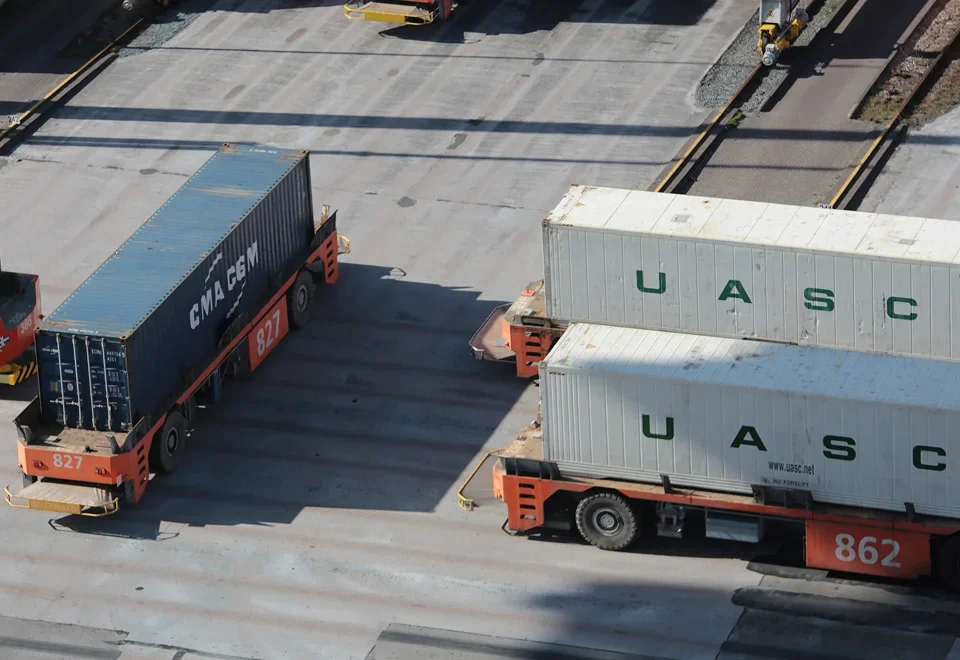
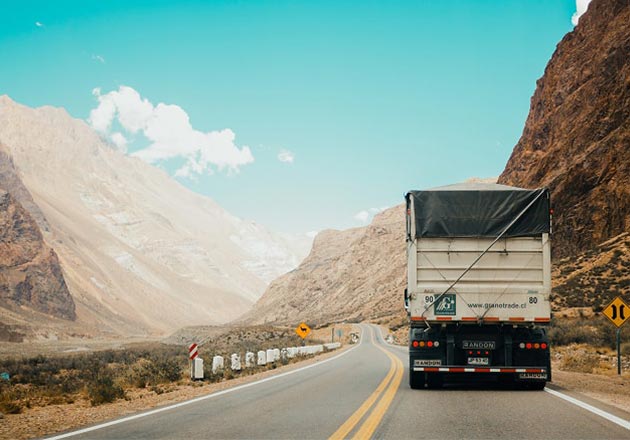
Road freight is the most common method for Transport from Dubai to Qatar. Trucks depart daily, moving along desert highways and crossing multiple checkpoints through Saudi Arabia before entering Qatar. Each border authority checks documents and cargo details carefully. If paperwork is incomplete or inconsistent, shipments can be delayed or rejected.
Air freight is faster but far more expensive, making it suitable mainly for small, urgent, or high-value goods. Sea freight supports large volumes but involves port handling and longer transit times.
The right choice depends on urgency, cargo type, and available budget.
Check Cargo Classification First
Before booking any Transport from Dubai to Qatar, identify exactly what kind of cargo you are moving:
- General cargo
- Heavy or oversized cargo
- Hazardous materials
- Liquid or ISO tank cargo
- Temperature-controlled goods
Each category follows different rules for permits, packing, labeling, and handling. Hazardous goods require MSDS documents, approved packaging, and licensed carriers. Mis declaring cargo often leads to customs delays and possible fines.
Documentation Is Critical
Paperwork errors are one of the biggest causes of cross-border shipping problems. Prepare all documents correctly:
- Commercial invoice
- Packing list
- Certificate of origin (when required)
- Export declaration
- Transit documents
- Delivery note
- MSDS for chemicals or dangerous goods
Names, cargo descriptions, HS codes, and weights must match across every document set. During Transport from Dubai to Qatar, even small mismatches can trigger inspection holds.
Understand Customs and Duty Regulations
Import rules vary depending on product type. Some goods entering Qatar need prior approval or special permits. Duty and tax amounts depend on classification codes.
Working with a customs broker or logistics expert who understands Qatar import procedures reduces risk. Sensitive or restricted items should always be reviewed before dispatch.
For temporary shipments — such as exhibitions or project equipment — temporary import procedures or ATA carnets may be used when permitted.
Check What Vehicles and Tools Are Needed
Not all freight fits standard trailers. Vehicle selection should match cargo:
- Lowbed trailers — heavy machinery and tall equipment
- Flatbed trailers — oversized cargo
- Container trailers — containerized loads
- Tanker or ISO tank chassis — liquids
- Reefer trucks — temperature-sensitive goods
Load securing is just as important. Container locks, chains, lashing belts, and blocking must be correctly applied. Poor securing is a major safety and compliance risk in Transport from Dubai to Qatar operations.
Check Size and Weight Restrictions
Each transit country enforces axle load and dimension limits. Oversized or overweight cargo may require:
- Special permits
- Route surveys
- Escort vehicles
- Police approvals
Ignoring limits can result in fines or being stopped at the border. Always share exact dimensions and weight with your transporter early.
Estimate Travel Time Realistically
Road shipments usually take a few days when smooth, but delays are possible due to:
- Border clearance queues
- Document verification
- Permit inspections
- Weather issues
- Holiday restrictions
Add buffer time, especially for project cargo or event materials.
Select a Transporter With Cross-Border Experience
Experience makes a major difference in Transport from Dubai to Qatar. A qualified transporter should:
- Verify documents before dispatch
- Arrange permits in advance
- Provide correct trailers
- Offer insurance options
- Share tracking updates
- Coordinate customs clearance
Review past cross-border projects and safety practices before choosing.
Conclusion
Distance rarely causes problems — preparation does. Accurate cargo details, compliant equipment, and correct documents ensure smooth movement. Partnering with an experienced provider like JAST make Transport from Dubai to Qatar faster, safer, and far more predictable.