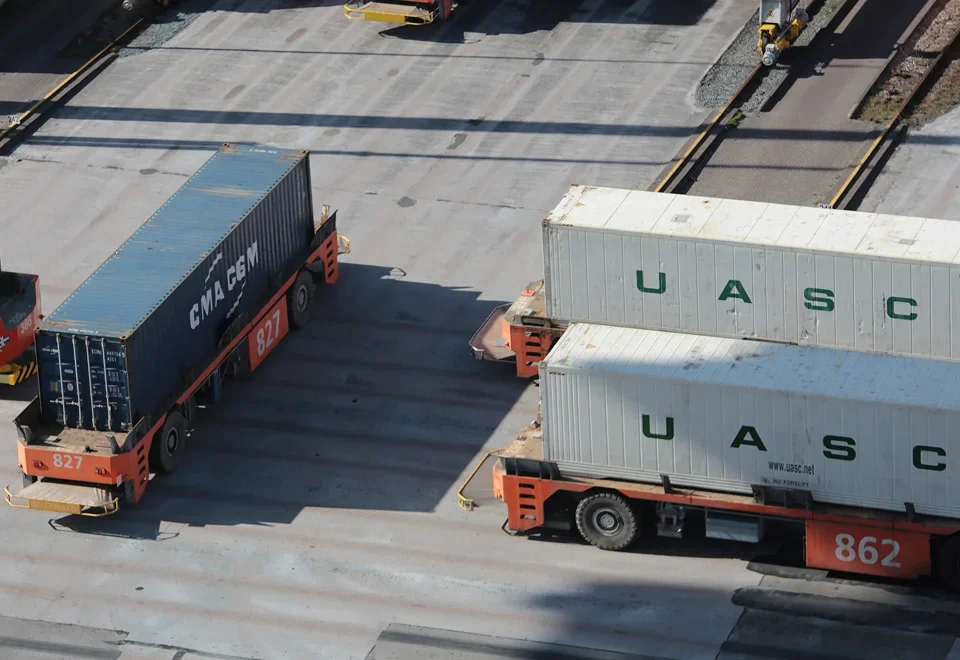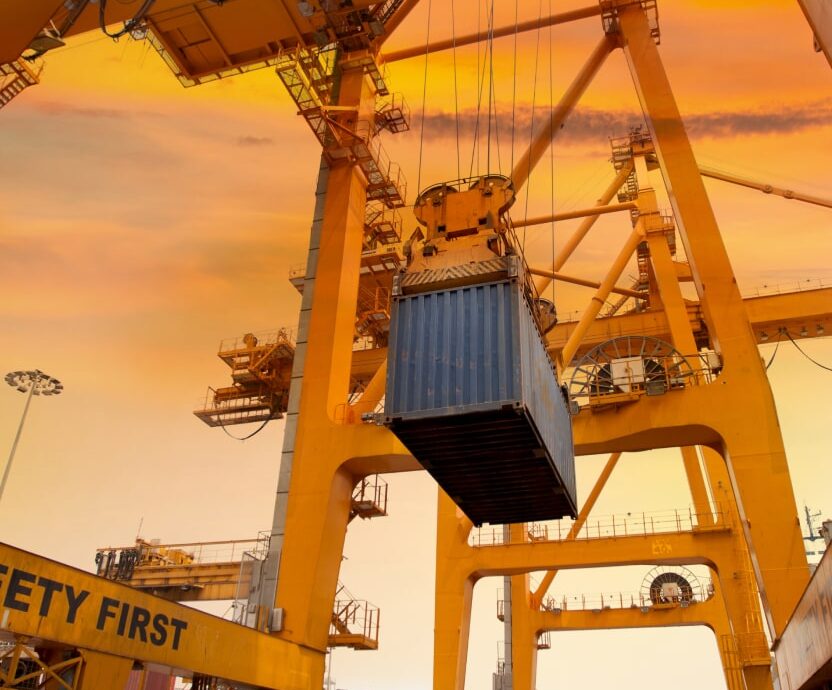

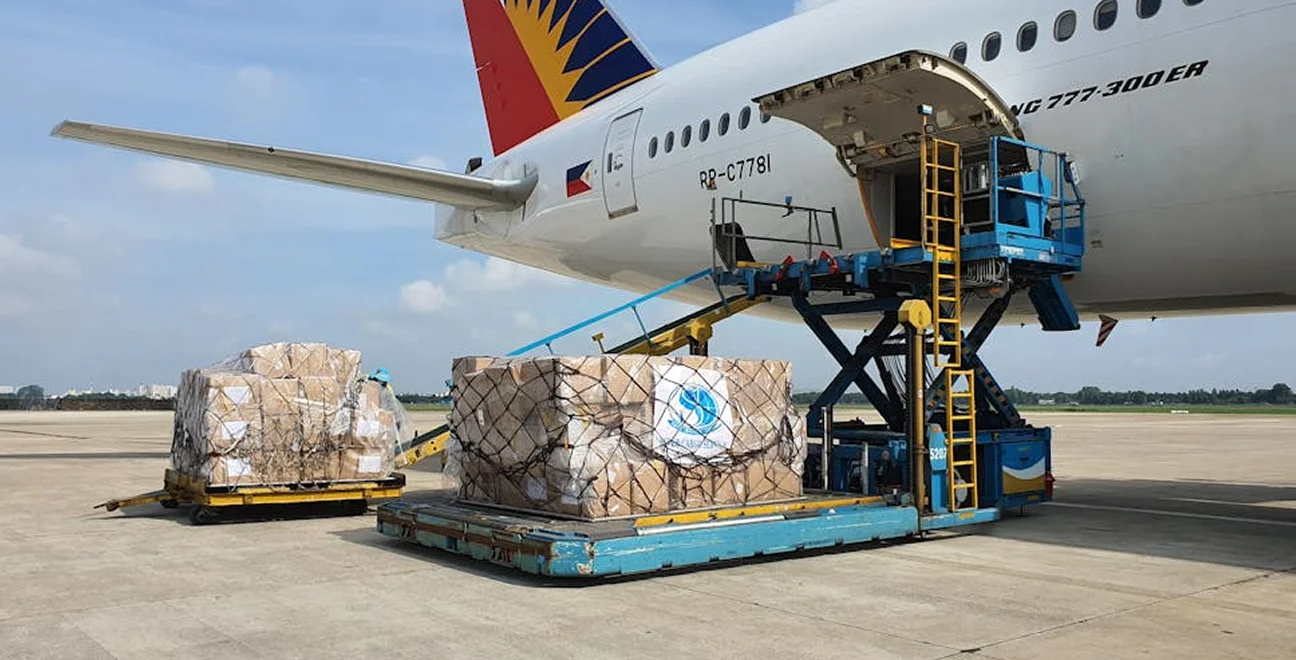
The cargo transport in 2026 remains steady. Because companies operate internationally now, speed matters more than before. Cargo transport, freight services, logistics solutions, and supply chain management play a vital role in ensuring machines, supplies, or everyday products reach their destinations efficiently. Whether it is machines, supplies, or everyday products, delivery systems support how things reach people. Reliability in shipping affects nearly every part of today’s economy.
Cargo Transport In 2026
Driving Global Trade and Economic Growth
cargo transport links producers, vendors, and buyers between areas and nations. By 2026, broader international ties plus online shopping expansion have raised shipping volumes via land, ocean, and sky routes. Timely delivery systems enable merchandise access when needed, aiding sectors like energy, building trades, medical services, production units, and stores. A weakened logistics structure leads to delayed exchanges, which hampers financial progress globally.
Adapting to Changing Supply Chain Demands
Today’s distribution networks carry heavier demands than before. Driven by precision timing, continuous monitoring, traffic adjustments occur faster. By 2026, freight carriers do far more than shift products across regions. Services merge storage options, paperwork handling, border approvals, doorstep transfers into single channels. With every phase connected, interruptions shrink, expenses drop, performance climbs steadily. Efficiency gains emerge quietly through coordination, not speed alone.
Technology in Cargo Transport
Fleet operations now rely heavily on digital tools. By 2026, features like constant satellite monitoring, intelligent path planning, self-updating paperwork, alongside online load exchanges are common practice. Because of these changes, carriers manage fuel better, prevent holdups, while offering live updates about where shipments stand. Whenever bulky items, dangerous substances, or expensive products move, smarter coordination enhances both adherence to rules and protection levels.
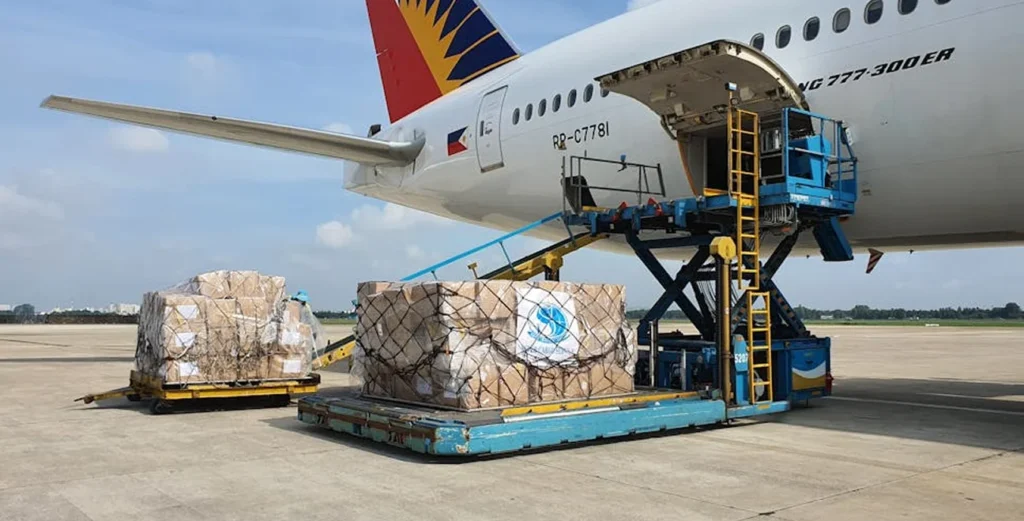
Heavy and Specialized Cargo Needs
Despite varying sectors, oil and gas operations depend on precise movement of uncommon freight. Construction work proceeds only when bulky items arrive without delay. Infrastructure growth demands coordination beyond standard shipping methods. Handling massive equipment involves careful preparation rather than simple execution. Expertise shows most clearly during complex logistical efforts. Equipment must match the task exactly, not just approximate needs. Planning depth separates functional outcomes from failures. Recent years have seen higher requirements for tailored solutions. Expansion in energy systems contributes strongly to current trends. Large initiatives drive need more than routine activity does. Timely delivery affects timelines far more than expected. Budgets remain stable mainly through consistent transit performance.
Sustainability and Environmental Responsibility
By 2026, attention turns firmly toward sustainability. Instead of traditional methods, freight operators now favor cleaner options – vehicles that consume less fuel, smarter routing systems, or those powered by renewable sources. These shifts aim at lowering greenhouse output. Alignment with ecological targets influences how firms select shipping providers. When carriers meet these standards, companies find it easier to uphold public image and satisfy international rules. The result? A slower strain on nature, matched by stronger operational legitimacy.
Stronger Businesses Earn More Trust
Getting packages on time matters most when earning a buyer’s confidence. When shipments arrive late, items break, or updates fail to reach recipients, money slips away along with standing. By 2027, firms moving freight place firm focus on consistency, openness, because service quality counts. Live monitoring tools combined with ahead-of-time alerts keep those involved aware during each move phase.
Conclusion
Far from just shifting items between locations, cargo transport in 2026 plays a deeper role. Global commerce relies on it; so do resilient distribution networks. Industrial expansion becomes possible when deliveries are consistent. Economic progress often follows. Technology adoption, eco-conscious methods, alongside tailored logistical approaches, reshape how shipments operate. This sector adapts constantly, becoming more central to enterprise function. Firms prioritizing dependable shipping arrangements position themselves differently within complex international markets.