
Right now, moving goods eats up a big chunk of what companies spend on getting products to customers. With fuel getting pricier, fewer trucks available, and rules that keep changing, staying on top of shipping costs isn’t optional. Smart handling of freight spending goes beyond cutting bills – it sharpens how things move, who sees what, and how well money stays saved down the line.
Below are 12 proven strategies that help companies achieve effective freight cost savings without compromising service quality.
1. Analyze freight data regularly
Look closely at how much you are spending on shipping. Go through your bills, check how many shipments go out, see which carriers deliver well, examine costs for each route. When you spot trends in where money goes or where things slow down, savings can appear fast. Hidden gaps become clear once everything is laid out.
2. Negotiate carrier contracts with smart planning
Start by checking how much you ship each month – it helps when talking to trucking companies. When deals last a while, combine routes or promise steady loads, prices tend to go down. Fewer expenses show up on the shipping bill that way.
3. Optimise Shipment Consolidation
Shipping several small loads together as one big load lowers cost per item. When organized well, sending partial truckloads becomes much cheaper.
4. Choose the Right Transportation Mode
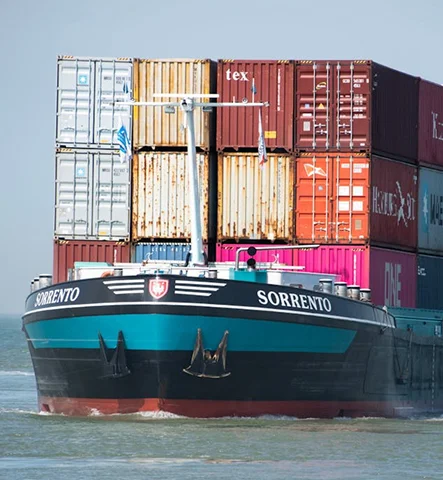
Picking how to move goods means looking at speed, distance, cost. Road might work if it’s nearby. Sea takes longer but often costs less. Air gets there fast though price jumps high. Rail balances time and expense for some routes. Skip flying shipments when waiting a few days doesn’t matter. What matters most shapes what works best.
5. Improve Route Planning and Optimization
Starting smart with routing means picking paths that save both cash and clock. Because better roads mean less gas burned. Suddenly stops take fewer hours than before. Extra miles vanish when maps get smarter. Efficiency shows up in lower totals at the pump.

6. Improve freight audit and payment workflows
Mistakes happen often when shipping bills get processed. When checks follow a clear system, numbers line up right, extra charges show up, money wasted can come back.
7. Use Technology and Freight Management Systems
Starting off, tools like TMS show where shipments are at any moment. These systems pick carriers without needing manual input. One thing they do is keep an eye on deliveries as they move. Another benefit comes from how they break down spending patterns. Insights pop up when data gets processed automatically. Choices about shipping improve because of what the software reveals. Managing freight expenses becomes easier with constant feedback loops.
8. Reduce Accessorial and Hidden Charges
Unexpected delays often come with extra charges like detention or demurrage. When trucks wait too long, fees pile up – especially if deliveries fail on first try. Smooth operations start with clear updates between everyone involved. Paperwork done right means fewer surprises later. Getting loads moved quickly cuts down on added expenses. A small slip can mean big costs, so timing matters more than it seems.
9. Strengthen Supplier and Carrier Collaboration
When suppliers work closely with carriers, things run smoother. Better terms come up when trust grows between teams. Problems get fixed quicker if everyone communicates well. Strong ties open savings you won’t find in one-off deals. Smooth operations often start with real conversations, not contracts.
10. Improve Packaging and Load Optimisation
Packing smarter means less wasted room on trucks or in containers. When boxes fit tighter, shipping gets cheaper. Damage drops when loads stay secure. Space saved is money earned. Hauling efficiency climbs without extra effort.
11. Monitor Carrier Performance Metrics
A single late package can snowball into bigger expenses. Watch how often deliveries arrive when promised. Some carriers take longer than others to move goods. Costs add up fast if shipments drag behind schedule. When damage claims rise, it signals deeper issues. One carrier might charge less but cause more headaches. Transit speed matters just as much as price. Hidden fees pop up where you least expect them. Reliability shows in consistent results over weeks. Look at patterns, not just one good week.
12. Forecast Demand and Plan Ahead
What if guesses about need were closer to reality? Sudden deliveries might vanish. So could those steep shipping fees. Space on trucks or planes would stop running out. Think ahead, that is the move. Locking in prices early makes budgets steady. Deals get easier to predict when timing works right. Planning first changes how things flow later.
Conclusion
What matters most? Clear choices based on real numbers, tools that work, collaboration that lasts. Twelve methods – tested, practical – shift how goods move, cutting waste without sacrificing speed or trust. Facing tighter budgets, companies now see smart shipping choices as key to staying ahead. What once seemed like a background task has become central to how firms keep their edge. If your company’s looking for a dependable ride-handling buddy, go with JAS, one of the best cargo transport in Dubai. solid moves, no headaches when stuff gets shipped. But if you need smooth hauls without hiccups, they’re ready to roll whenever. Even so, every delivery runs clean, quick, never late or messy. So while others cut corners, this crew keeps promises quiet-like but sure.