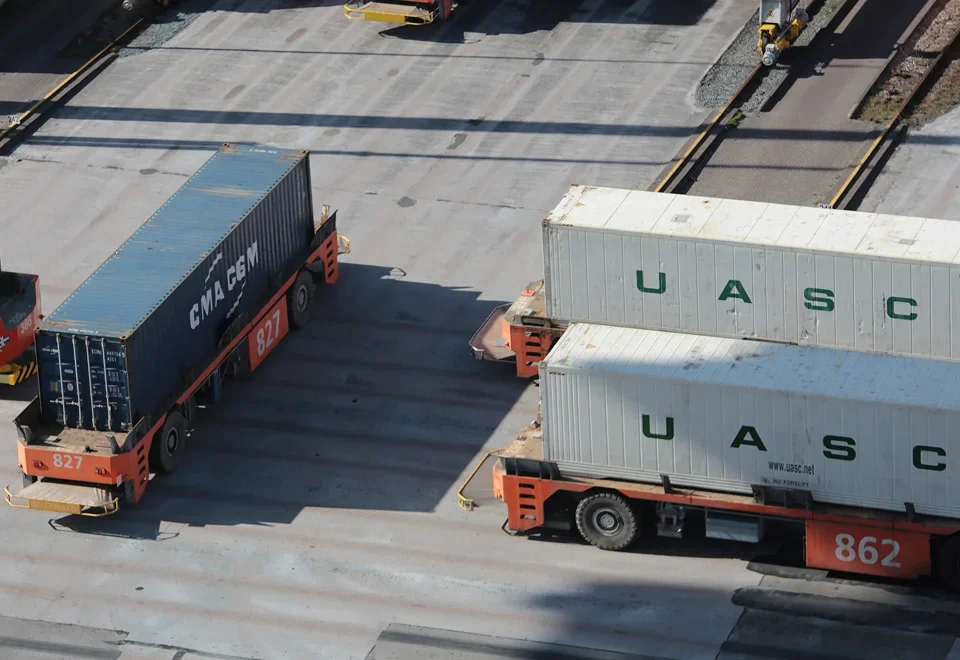


Faster movement through distribution points matters most today. When trucks show up without notice, bottlenecks build fast – wasting time, piling on expense. Think of scheduling like traffic control for freight: it brings order where chaos once ruled. With set times for entries and exits, teams move steadily, knowing exactly when things happen. Time slot management in logistics supports this structured flow and keeps operations predictable.
One reason firms lean toward slot-based planning? It cuts wait times at loading docks. Another plus shows up in smoother daily operations – fewer trucks piling up means less chaos. Predictable schedules also help teams plan workloads without last-minute surprises. Over time, these changes add up, making deliveries more reliable across the network through time slot management in logistics.
Less waiting, less crowding in yards through Time Slot Management

Unexpected truck arrivals often disrupt smooth logistics work. If several vehicles reach together, lines stretch out fast. Congestion builds in the yard without warning. Drivers grow impatient during delays like these.
Arrivals spread out when vehicles get assigned fixed times to come. Because of that, congestion near entrances and loading areas drops sharply. Instead of bunching up, trucks arrive spaced apart, making movement smoother. With timing controlled, chaos at peak hours fades into background noise. This is one of the core strengths of time slot management in logistics.
Key advantages:
- Lower truck waiting time
- Reduced yard traffic
- Faster gate processing
- Better dock utilization
- With arrivals managed in advance, workers move through deliveries without rushing. Smoother flow means less waiting around. Efficiency climbs when timing stays predictable.
Improved Warehouse Productivity
Picture a warehouse running smoothly – only happens when tasks are planned. When deliveries arrive without set times, workers scramble to catch up. Sudden spikes in activity mean things get misplaced or loaded incorrectly. Extra hours pile up simply because timing was never sorted beforehand.
Finding their rhythm in daily operations, warehouse leaders shape staffing and tools around timed inbound and outbound flows. Arrivals set the pace while exits help fine-tune the balance of work crews and machinery readiness.
Operational improvements include:
- Better workforce scheduling
- Balanced loading and unloading activities
- Efficient use of forklifts and handling equipment
- Reduced operational stress
- Faster loading happens when crews know exactly when trucks will arrive. With timing set ahead of time, paperwork gets done early, plus space in warehouses is ready before drivers show up. Shifts run smoother because each team knows its role, avoiding delays that pile up during busy hours. Knowing the rhythm means fewer surprises at the dock.
Better experience for carriers and customers
Getting along with carriers matters when moving goods. When trucks wait too long or nobody knows the schedule, trust fades fast while prices go up. A way to book exact arrival times brings clarity, making things feel balanced for every driver who shows up.
With a digital time slot booking platform, carriers can:
- Pick open times right from the website
- Receive instant confirmation
- Avoid unnecessary waiting
- Plan driver routes more accurately
- Fewer delays tend to lift drivers’ satisfaction with their work, while punctuality rises as a result. On the receiving end, knowing when things will move builds trust, making service steadier overall. Many networks achieve this consistency through time slot management in logistics.
Achieving flow in busy markets often comes down to how well slots are managed. When timing clicks into place, movement gains an edge others lack. Systems that handle entry moments with precision tend to stand out. Efficiency here does more than save time – it reshapes expectations. Performance shifts when access points run without hiccups. What looks like routine scheduling can quietly redefine service quality.
Improved visibility with data guided planning
Right now, many scheduling tools link up directly with warehouse software along with shipping platforms. As a result, teams see exactly when trucks arrive and how loading areas are being used at any moment.
Finding trends becomes easier when logistics managers use the gathered information to fine-tune how things run.
Data benefits include:
- Peak hour identification
- Dock utilization reports
- Turnaround time tracking
- Performance benchmarking
- Because slot information is correct, firms change their load limits. When demand rises, extra time gets added to work shifts. Planning grows sharper over time because of constant updates. Decisions around moving goods rely on numbers now, not hunches. These insights become more actionable with time slot management in logistics platforms.
Conclusion
Slot times in delivery operations used to be optional. Now they are essential. When firms organize arrival windows carefully, traffic at docks drops sharply. Productivity inside storage facilities climbs noticeably. Drivers show up on time more often, which strengthens partnerships. Data collected during these processes reveals patterns once hidden. Clarity emerges where chaos ruled before.
Faster deliveries start with smarter timing – those who organize loading windows now handle crowded routes later. When networks stretch thin, clear oversight keeps shipments moving without delays. Some companies assign arrival times early; others wait until chaos hits. Thinking ahead means fewer trucks idling, less stress at drop-off points. Planning each window carefully reduces bottlenecks before they form. Those using structured schedules adapt quicker when volumes rise unexpectedly with time slot management in logistics.