
- Heavy goods transport involves challenges such as route restrictions, permits, weather, and load security that can impact delivery schedules.
- Proper planning, experienced drivers, and specialized equipment help minimize transport risks.
- Regulatory compliance and accurate documentation are essential for avoiding costly delays and penalties.
- Regular vehicle maintenance and route surveys improve safety and operational efficiency.
- Choosing an experienced logistics partner reduces risks and ensures heavy goods reach their destination safely and on time.
- Proactive planning is the key to successful heavy goods transportation across the UAE and GCC.
Introduction
Moving oversized machinery, industrial equipment, or construction materials isn’t as straightforward as transporting standard freight. Heavy goods transportation requires careful planning, specialized vehicles, regulatory compliance, and experienced professionals to ensure every shipment reaches its destination safely & Avoid Heavy Goods Transport Challenges.
Businesses that understand heavy goods transport challenges are better prepared to avoid delays, reduce costs, and protect valuable equipment. Whether you’re moving heavy goods across the UAE or transporting equipment to another GCC country, knowing what can go wrong helps you make smarter logistics decisions.
In this guide, we’ll explore the most common heavy goods transport challenges, explain why they happen, and share practical strategies to overcome them.
Why Heavy Goods Transport Is More Complex Than Standard Freight
Heavy goods transport involves moving equipment or materials that exceed standard dimensions or weight limits. These shipments often require specialized trailers, permits, escort vehicles, and detailed route planning.
Unlike standard deliveries, heavy goods transport must consider:
- Vehicle weight restrictions
- Bridge and road clearances
- Route accessibility
- Government permits
- Loading and unloading equipment
- Safety regulations
Even a minor oversight can lead to project delays, increased costs, or safety risks.
Quick Takes & FAQ
Heavy goods transport is a specialized logistics service that demands careful coordination. Success depends on planning every stage of the journey before the vehicle even leaves the yard.
What qualifies as heavy goods?
Heavy goods include industrial machinery, construction equipment, generators, steel structures, transformers, and other oversized or overweight items.
Why is heavy goods transport more challenging?
These shipments require specialized equipment, regulatory approvals, and careful planning to ensure safe transportation.
Common Heavy Goods Transport Challenges
Understanding the most common issues helps businesses prepare and avoid unnecessary disruptions.
1. Route Restrictions
Not every road can accommodate oversized or heavy vehicles. Bridges, tunnels, narrow roads, and residential areas may have restrictions that require alternative routes.
2. Permit Delays
Many heavy goods shipments require permits from local authorities. Missing or incomplete documentation can delay transport and affect project timelines.
3. Load Security
Improperly secured goods increase the risk of shifting during transit, potentially damaging the shipment or creating road hazards.
4. Weather Conditions
Strong winds, heavy rain, or poor visibility can make transporting large loads more difficult and sometimes require schedule adjustments.
5. Equipment Breakdowns
Mechanical failures can cause significant delays, particularly during long-distance transport. Preventive maintenance helps reduce this risk.
Quick Takes & FAQ
Most heavy transport challenges can be prevented through proactive planning, experienced operators, and regular equipment inspections.
What is the biggest challenge in heavy goods transport?
Route planning is often one of the most critical factors because unsuitable roads can delay or even prevent transport.
Can weather delay heavy transport?
Yes. Adverse weather conditions may require transport schedules to be adjusted to ensure safety.
How to Avoid Heavy Goods Transport Challenges

While challenges are common, many can be managed with the right processes and expertise.
Conduct a Route Survey
A route survey identifies potential obstacles before transport begins, including low bridges, road closures, and restricted areas.
Verify Documentation
Ensure all permits, transport documents, and customs paperwork (for cross-border shipments) are complete before departure.
Use the Right Equipment
Selecting the correct trailer, lifting equipment, and securing systems reduces risks during loading and transportation.
Perform Vehicle Inspections
Regular maintenance and pre-trip inspections help identify mechanical issues before they become costly breakdowns.
Work with Experienced Drivers
Heavy goods transport requires drivers trained in handling oversized loads, defensive driving, and regulatory compliance.
|
Challenge |
Solution |
|
Route restrictions |
Route surveys and planning |
|
Permit delays |
Early documentation preparation |
|
Load movement |
Professional load securing |
|
Vehicle breakdowns |
Preventive maintenance |
|
Delivery delays |
Real-time communication and contingency planning |
Quick Takes & FAQ
The best logistics companies focus on preventing problems rather than reacting to them. Preparation saves time, money, and reduces operational risks.
How important are route surveys?
They help identify potential obstacles and allow planners to choose the safest and most efficient route.
Why does equipment selection matter?
Different loads require different trailers and lifting solutions to ensure stability and safety.
Common Mistakes Businesses Make
Many transport issues arise because of avoidable mistakes.
These include:
- Underestimating the shipment’s dimensions or weight
- Choosing the wrong trailer
- Delaying permit applications
- Failing to inspect vehicles before transport
- Hiring inexperienced transport providers
- Ignoring contingency planning
Businesses often focus on transportation costs while overlooking the value of experience, planning, and risk management.
Quick Takes & FAQ
Investing in proper planning and experienced logistics partners usually costs less than dealing with delays, damaged goods, or regulatory penalties.
Can incorrect measurements delay transport?
Yes. Inaccurate dimensions may result in selecting unsuitable equipment or obtaining incorrect permits.
Why is choosing the right logistics partner important?
Experienced providers understand regulations, route planning, and equipment requirements, reducing the likelihood of costly mistakes.
Best Practices for Businesses
Companies that manage heavy transport successfully usually follow consistent compliance procedures.
Best practices include:
- Verify driver licences before every assignment.
- Schedule regular vehicle inspections.
- Maintain service records.
- Provide ongoing driver safety training.
- Conduct pre-trip inspections.
- Follow UAE transport regulations.
- Partner with experienced logistics providers for complex transport projects.
Businesses moving oversized equipment or industrial goods often benefit from working with professional transport specialists who understand both operational and regulatory requirements
Expert Tips for Successful Heavy Goods Transport
To improve transport efficiency and reduce risk:
-
- Start planning well before your required delivery date.
- Conduct detailed route assessments.
- Maintain accurate shipment documentation.
- Schedule regular vehicle servicing.
- Train drivers on heavy goods handling and safety procedures.
- Keep customers informed with regular shipment updates.
- Partner with a logistics company experienced in oversized and project logistics.
Frequently Asked Questions
How can businesses reduce heavy goods transport risks?
Working with experienced logistics providers, conducting route surveys, maintaining vehicles, and securing the correct permits significantly reduce transport risks.
Why are permits required for heavy goods transport?
Oversized and overweight loads may impact public roads and infrastructure. Permits ensure authorities can assess the safest transport conditions and routes.
What vehicles are used for heavy goods transport?
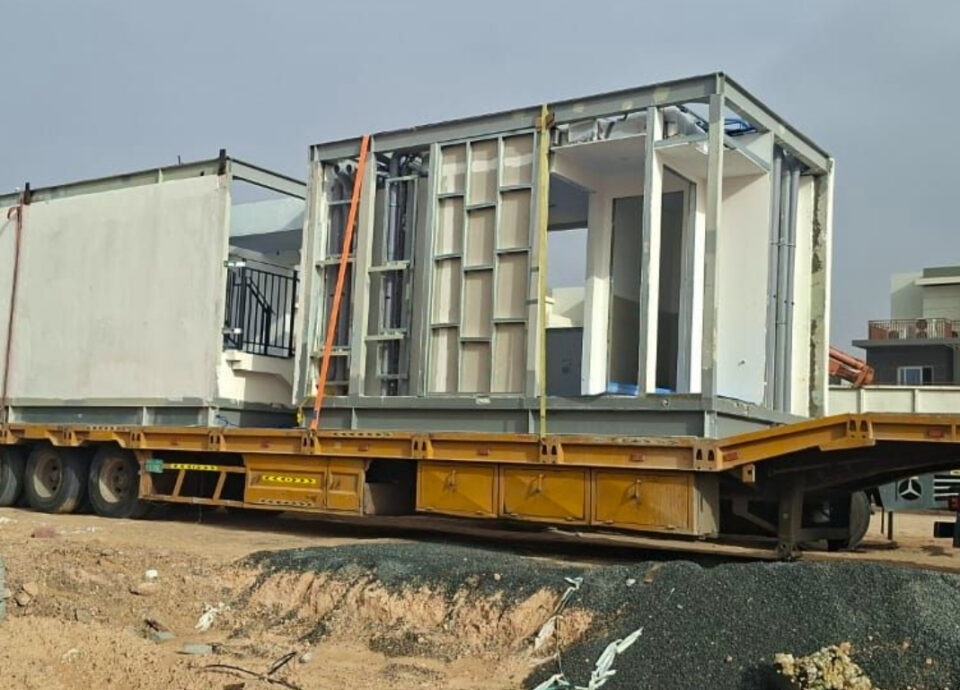
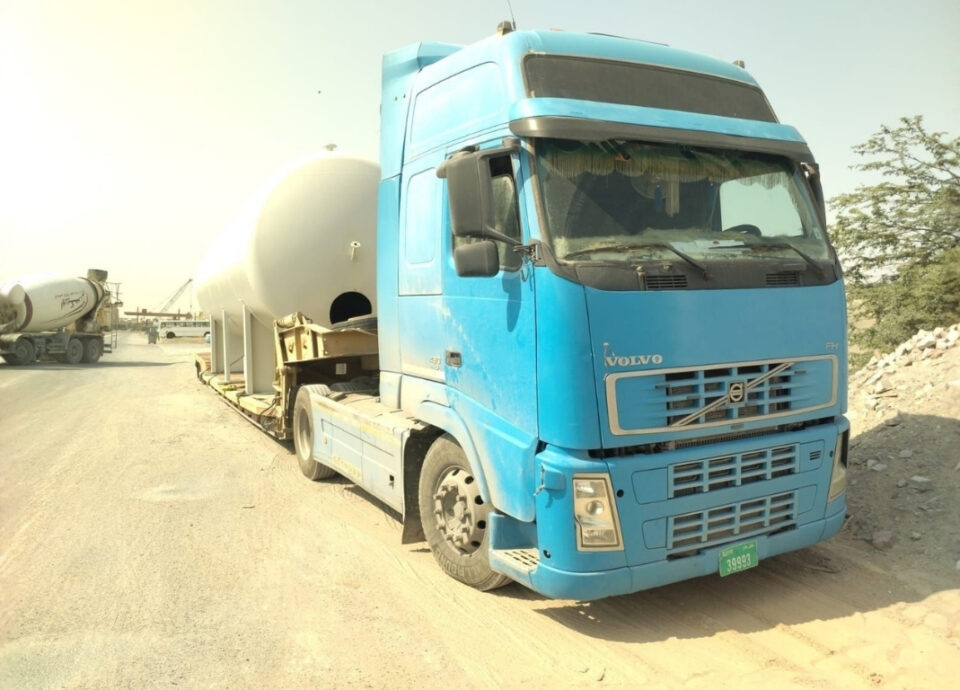
Depending on the shipment, transport companies may use low-bed trailers, extendable trailers, flatbed trailers, multi-axle trailers, or specialized heavy-haul equipment.
Does every heavy goods shipment require route planning?
Yes. Route planning helps avoid restricted roads, low bridges, traffic congestion, and other obstacles that could delay delivery.
Why should businesses outsource heavy goods transport?
Professional logistics companies provide experienced drivers, specialized equipment, regulatory knowledge, and project management that improve safety and efficiency.