
- Low-bed trailers are designed for transporting tall, heavy, and oversized goods that exceed standard road height limits.
- Flatbed trailers are ideal for standard-sized machinery, construction materials, and palletized goods that don’t require height clearance.
- Choosing the wrong trailer can lead to safety risks, permit issues, and costly delays.
- The cargo’s dimensions, weight, and destination determine the most suitable trailer.
- Professional route planning and trailer selection help ensure safe, compliant, and efficient transport.
- If you’re transporting oversized industrial equipment in the UAE, a low-bed trailer is often the safer and more practical option.
Introduction
one of the biggest factors that determines whether a shipment arrives safely and on time is the trailer carrying it.
If you’re transporting industrial machinery, construction equipment, or oversized goods, you’ve probably come across two common options: low-bed trailers and flatbed trailers. While they may seem similar at first glance, they’re designed for very different transport requirements.
Choosing the right low-bed trailer UAE solution isn’t just about moving goods from one location to another. It’s about ensuring road compliance, protecting valuable equipment, reducing transport risks, and avoiding unnecessary delays.
In this guide, we’ll compare low-bed trailers and flatbed trailers, explain where each one performs best, and help you decide which option suits your next heavy transport project.
What Is a Low-Bed Trailer?
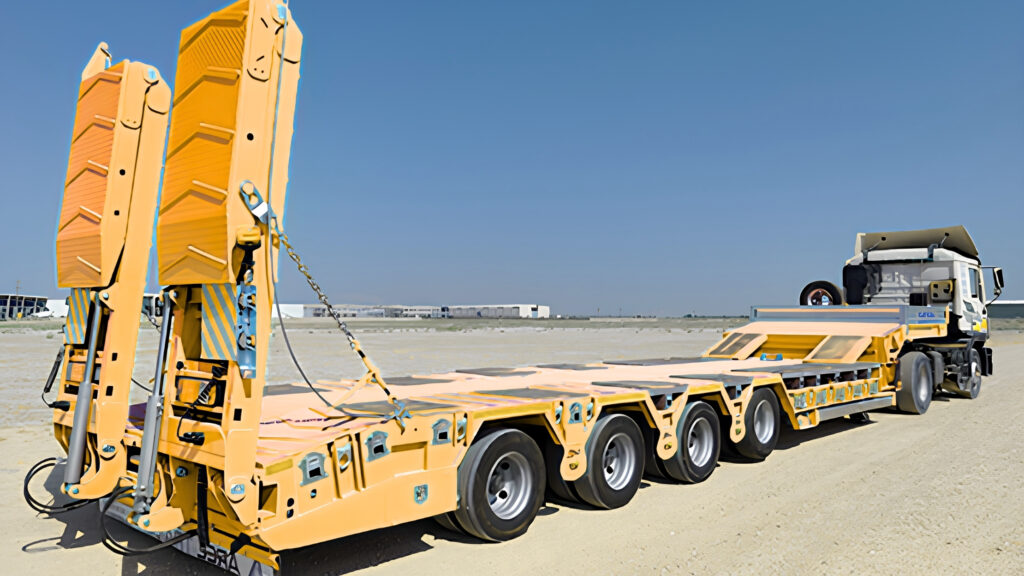
A low-bed trailer, sometimes called a low-loader trailer, is specifically designed to transport heavy and oversized goods that exceed normal road height restrictions.
Unlike conventional trailers, the loading deck sits much lower to the ground. This lower deck reduces the overall transport height, allowing taller equipment to safely pass beneath bridges, overhead signs, and utility lines.
Low-bed trailers are commonly used for transporting:
- Excavators
- Bulldozers
- Cranes
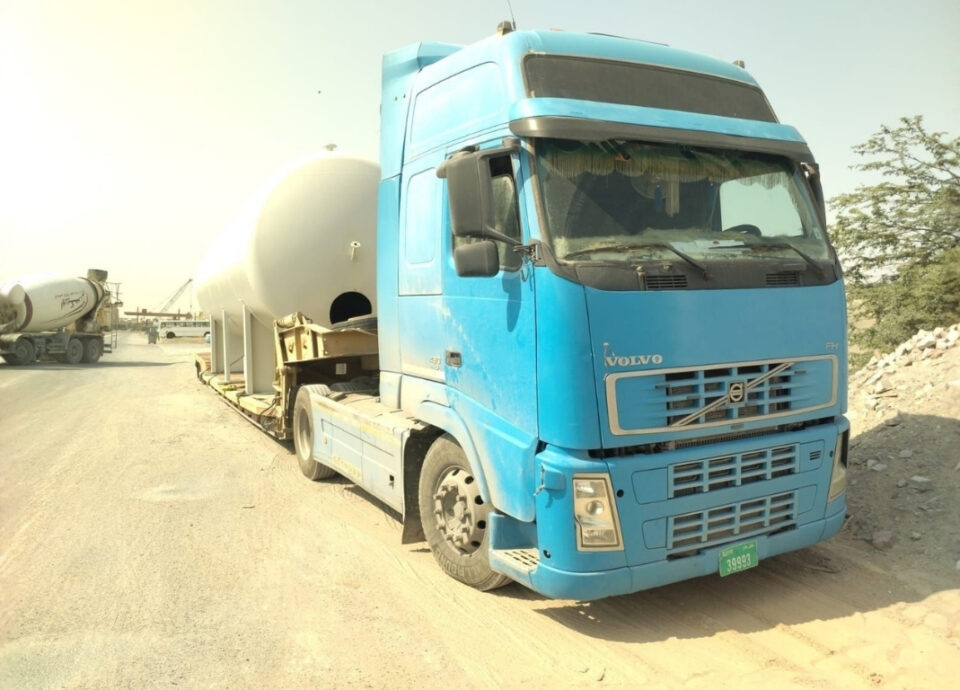
- Industrial tanks
- Transformers
- Oil & gas equipment
- Heavy construction machinery
For businesses involved in infrastructure, manufacturing, mining, or energy projects, low-bed trailers are often the safest and most practical choice.
Quick Takes & FAQ
Low-bed trailers are built for heavy, tall, and oversized goods where height clearance and weight distribution are critical. They reduce transport risks while helping businesses comply with road regulations.
Why are low-bed trailers used?
Low-bed trailers lower the overall transport height, making it easier to move oversized equipment safely beneath bridges and overhead structures.
What industries commonly use low-bed trailers?
Construction, oil & gas, mining, infrastructure, manufacturing, and renewable energy projects frequently rely on low-bed trailers.
What Is a Flatbed Trailer?
Flatbed trailers are among the most versatile transport solutions available. They feature a flat, open platform without sides or a roof, making loading and unloading simple from any direction.
They’re commonly used for transporting:
- Steel beams
- Building materials
- Containers
- Timber
- Pipes
- Standard machinery
- Packaged industrial goods
Because the deck sits higher than a low-bed trailer, flatbeds aren’t ideal for transporting tall machinery that may exceed road height limits.
However, for standard-sized heavy goods, flatbeds offer excellent flexibility and cost efficiency.
Quick Takes & FAQ
Flatbed trailers are ideal for heavy goods that fit within standard transport dimensions and don’t require additional height clearance.
Are flatbed trailers suitable for oversized goods?
They can transport oversized loads in some cases, but taller equipment often requires a low-bed trailer to remain within legal height restrictions.
Why are flatbed trailers popular?
They’re versatile, easy to load, and suitable for a wide range of industrial and commercial goods.
Low-Bed Trailer vs Flatbed Trailer: Key Differences
Choosing between the two depends entirely on your shipment requirements.
|
Feature |
Low-Bed Trailer |
Flatbed Trailer |
|
Deck Height |
Very low |
Standard |
|
Best For |
Oversized machinery |
Standard heavy goods |
|
Height Clearance |
Excellent |
Limited |
|
Weight Capacity |
Very high |
High |
|
Loading |
Heavy equipment ramps |
Forklifts & cranes |
|
Common Industries |
Oil & Gas, Construction, Mining |
Manufacturing, Logistics, Construction |
|
Permit Requirements |
Often required |
Depends on cargo dimensions |
The biggest advantage of a low-bed trailer is its ability to safely transport tall equipment without exceeding road height limits.
Flatbed trailers, on the other hand, provide flexibility for standard heavy goods that don’t require specialized transport configurations.
Quick Takes & FAQ
Neither trailer is universally “better.” The right choice depends on the cargo’s dimensions, weight, destination, and regulatory requirements.
Which trailer is more expensive?
Low-bed trailers generally cost more because they’re designed for specialized heavy-haul transport and often require additional planning and permits.
When Should You Choose a Low-Bed Trailer?
Choosing the right trailer starts with understanding your goods—not just their weight, but also their dimensions, destination, and handling requirements.
A low-bed trailer is the preferred option when transporting heavy equipment that exceeds standard road height or weight limits. Because its deck sits much lower than a conventional trailer, it allows oversized machinery to travel safely while maintaining legal height clearances.
You should consider using a low-bed trailer if you’re transporting:
- Excavators, bulldozers, and wheel loaders
- Cranes and lifting equipment
- Industrial tanks and pressure vessels
- Transformers and generators
- Oil & gas equipment
- Mining machinery
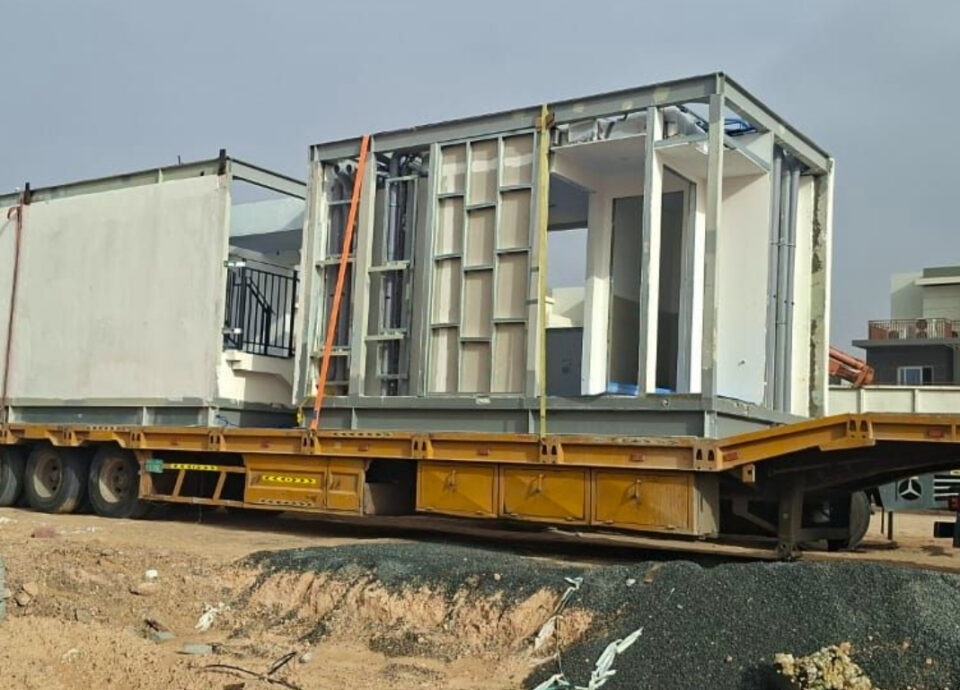
- Prefabricated industrial structures
For example, transporting a 5-meter-tall industrial tank on a standard flatbed may exceed legal road height limits. Using a low-bed trailer lowers the overall transport height, making the shipment safer and reducing the need for route modifications.
At JAST Transport, every heavy haul project begins with evaluating the cargo’s dimensions, weight, and destination before recommending the most suitable trailer configuration.
Quick Takes & FAQ
If your equipment is oversized, unusually tall, or exceptionally heavy, a low-bed trailer offers greater stability, better road clearance, and improved regulatory compliance.
Can low-bed trailers transport standard machinery?
Yes. However, if the machinery fits comfortably within legal transport dimensions, a flatbed trailer may be a more cost-effective solution.
Do low-bed trailers require special permits?
In many cases, yes. Oversized or overweight loads often require permits and route approvals depending on the cargo dimensions and destination.
Common Mistakes Businesses Make When Choosing a Trailer
Selecting the wrong trailer can increase costs, create compliance issues, and delay deliveries.
Some of the most common mistakes include:
Choosing Based Only on Price
The least expensive transport option isn’t always the most suitable. Using an inappropriate trailer can lead to permit issues, loading difficulties, or equipment damage.
Ignoring Overall Cargo Height
Many businesses calculate only the equipment height without considering the trailer deck height. The combined transport height determines whether the load complies with road regulations.
Underestimating Cargo Weight
Heavy equipment requires trailers with sufficient load capacity and proper axle distribution.
Skipping Route Planning
A trailer that works well on one route may not be suitable for another. Bridges, overhead utilities, and road restrictions should always be reviewed before transport begins.
Hiring an Inexperienced Heavy Transport Provider
Heavy goods transportation requires specialized knowledge, experienced operators, and detailed planning—not just a suitable trailer.
Expert Tips for Choosing the Right Trailer
When planning heavy goods transportation, keep these best practices in mind:
- Measure your goods accurately before requesting a transport quotation.
- Share detailed cargo drawings or specifications with your logistics provider.
- Consider both current and future transport needs if moving multiple pieces of equipment.
- Plan permits and approvals early to avoid unnecessary delays.
- Work with transport specialists experienced in oversized and heavy-haul logistics.
- Ask whether route surveys will be completed before transport begins.
- Prioritize safety and compliance over short-term cost savings.
Frequently Asked Questions
What is the difference between a low-bed trailer and a flatbed trailer?
A low-bed trailer has a much lower deck height, making it suitable for transporting tall and oversized machinery while staying within legal road height limits. A flatbed trailer has a standard deck height and is better suited for general heavy goods that fit within standard transport dimensions.
Which trailer is better for construction equipment?
Low-bed trailers are generally preferred for construction machinery such as excavators, bulldozers, rollers, and cranes because they provide greater stability and lower transport height.
Can flatbed trailers transport heavy machinery?
Yes, but only if the machinery falls within legal height and weight limits. Oversized equipment often requires a low-bed trailer to ensure safe and compliant transportation.
Why is trailer selection important?
Choosing the right trailer improves safety, protects valuable equipment, minimizes transport risks, and helps ensure compliance with UAE and GCC transport regulations.
How does JAST Transport determine the right trailer?
Our logistics team evaluates each shipment based on its dimensions, weight, destination, loading requirements, and transport route before recommending the most suitable equipment.